SiC MOSFET & SBD Campaign
View the Presentation
Silicon Carbide (SiC) Performance Advantages
Material-level benefits that translate to system-level efficiency.
Toshiba’s 3rd-generation SiC MOSFETs and Schottky Barrier Diodes (SBDs) offer measurable improvements in RDS(on), Qgd, switching energy, and high-temperature behavior—performance characteristics that directly influence system efficiency, reliability, and design flexibility.
Download Full SiC Technical Deck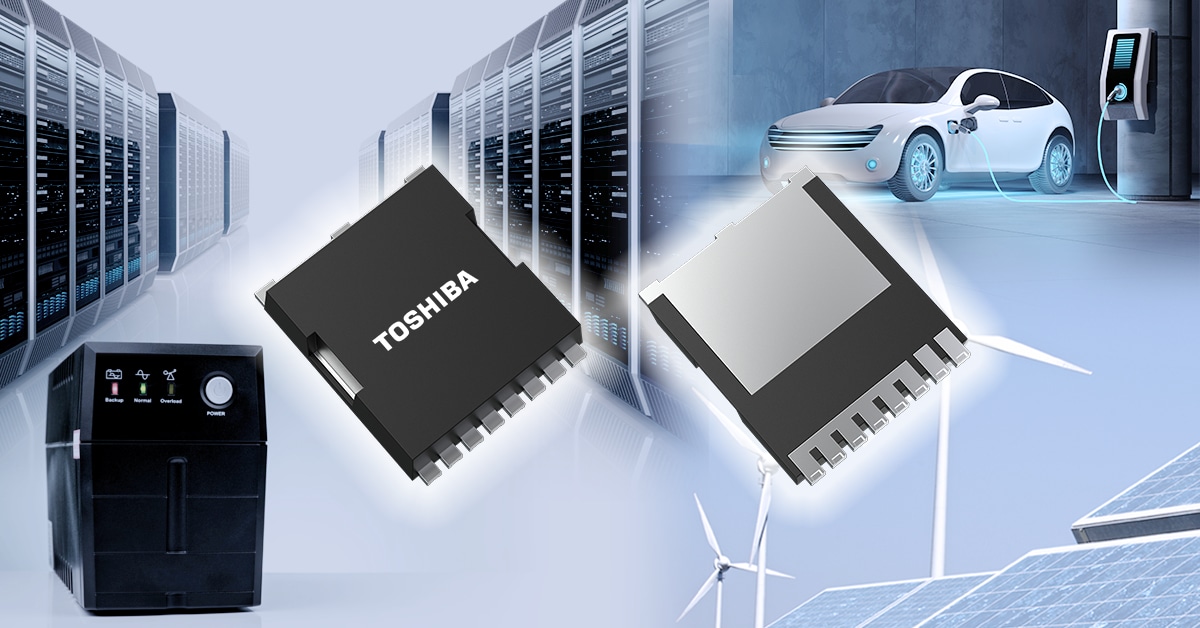
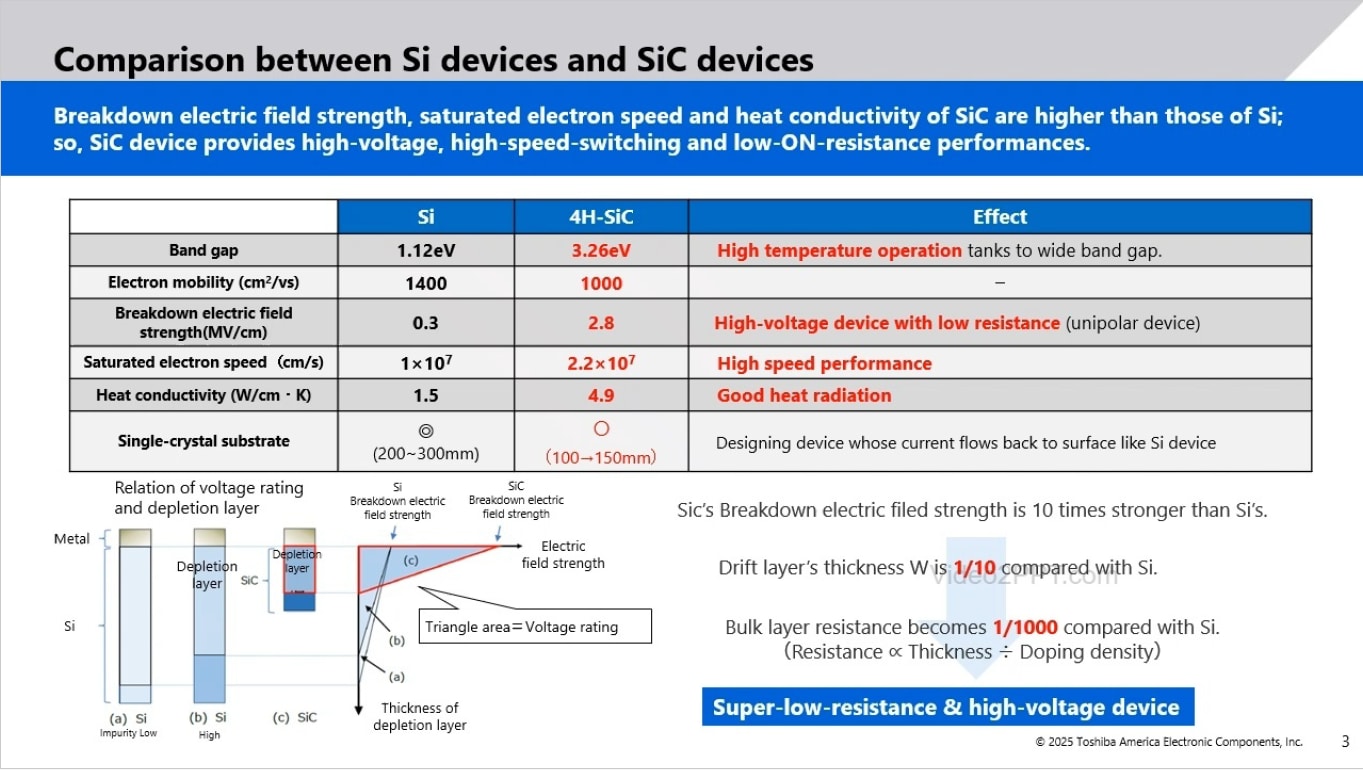
Material advantages of SiC devices
Si vs SiC – Material Differences
Wider bandgap, higher breakdown field, and superior thermal conductivity give SiC devices inherent advantages over silicon. These material properties enable higher voltage operation, reduced switching losses, and stable performance across elevated temperatures.
3rd-Generation SiC Device Characteristics
Toshiba’s SiC MOSFETs exhibit lower RDS(on), improved Qgd behavior, and strong gate-drive robustness. These device-level enhancements help reduce switching losses, improve thermal margins, and simplify power system design.
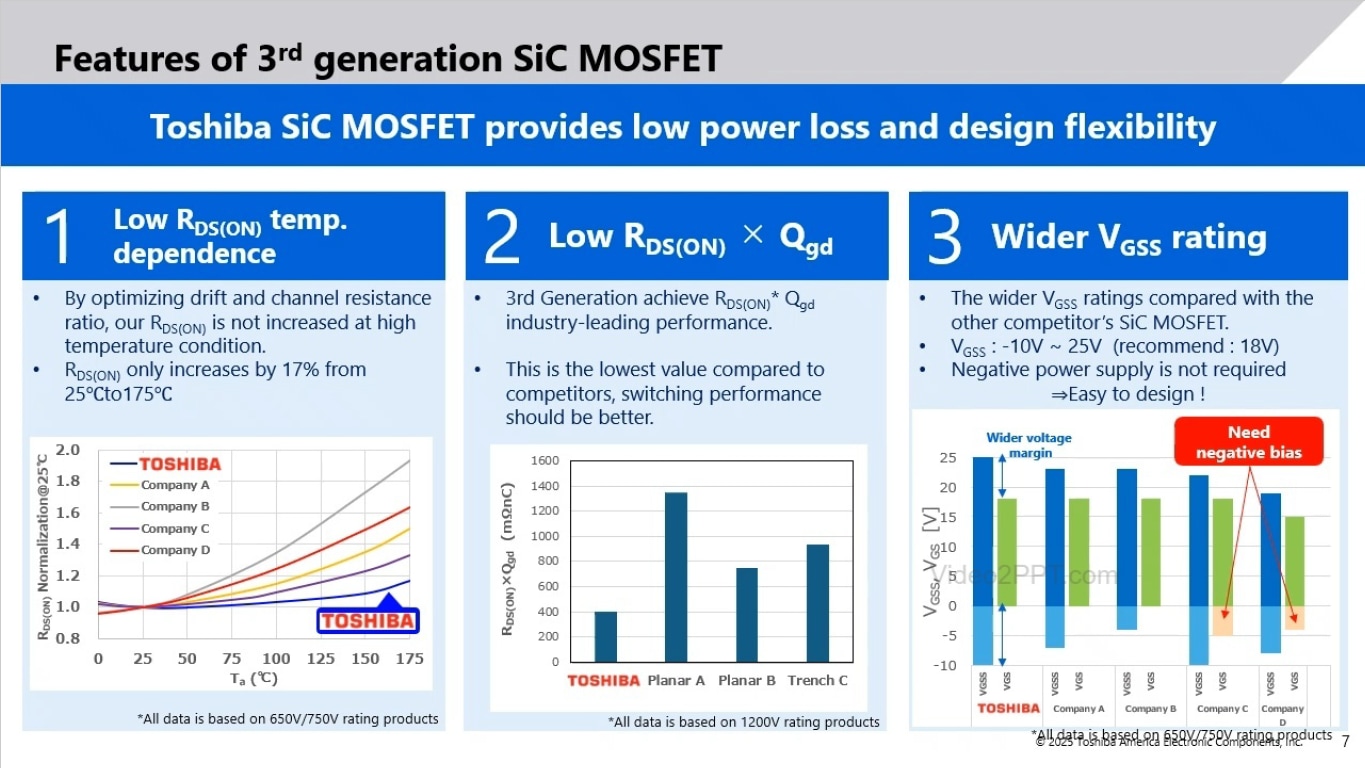
Lower RDS(on), optimized switching, higher thermal performance
SiC Power Devices Explained: Efficiency, Switching Performance, and Thermal Tradeoffs
See how Silicon Carbide (SiC) devices improve efficiency, reduce switching losses, and deliver superior thermal behavior in high-voltage designs. This presentation explains key advantages using clear charts and visuals you won’t get from a datasheet alone.
→ Includes a real-world comparison of SiC device characteristics
to help
determine the optimal solution for high-efficiency power designs.
→ Watch full 14:52 presentation after submitting form
Why Watch This Video
Compare SiC device options to determine the right tradeoffs for efficiency, switching performance, and thermal behavior.See a detailed comparison of SiC power device characteristics, showing how different architectures impact switching losses, thermal performance, and system efficiency in high-voltage power designs.
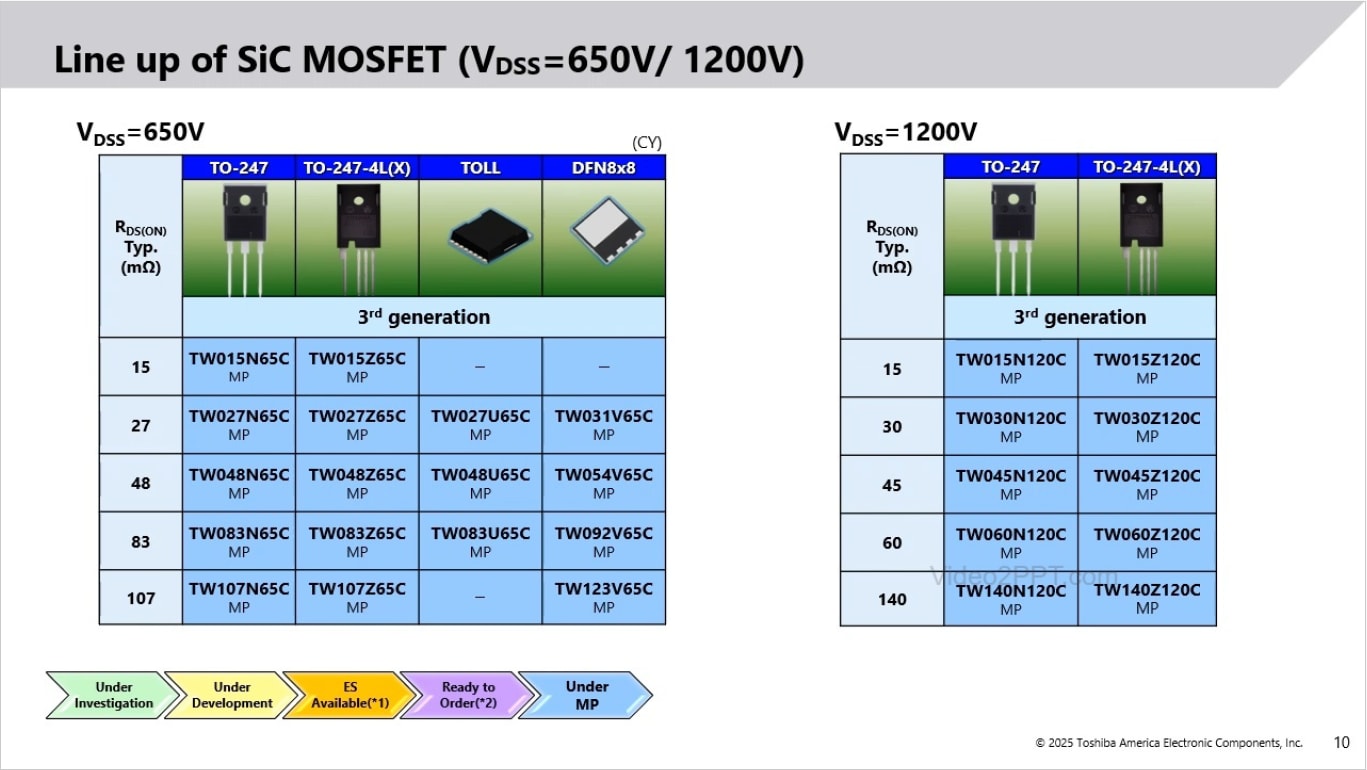
Full portfolio overview
SiC MOSFET & SBD Lineup
Explore 650 V and 1200 V device options optimized for EV charging, industrial drives, renewable power, and high-density conversion systems.